If you have Type 1 Diabetes, or know of a Type I Diabetic, please share this video. Dr. Jodi Stanislaw, ND specializes in educating and empowering Type 1 diabetics to live with healthy blood sugars. (November 2020)
Author Archives: sararodgers
Video: Helping Children Cope with Covid
Resources for Helping Children Cope During the Covid-19 Pandemic
Prepared by Kelsy Newton, Psy.D.
St. Luke’s Children’s Neuro- and Behavioral Psychology
Books:
- Raising an Emotionally Intelligent Child by John Gottman
- How to Talk so Kids Will Listen & Listen So Kids Will Talkby Adele Faber & Elaine Mazlish
- The Self-Compassion Workbook for Teens: Mindfulness and Compassion Skills to Overcome Self-Criticism and Embrace Who You Are by Karen Bluth, PhD
- Self-Compassion for Parents: Nurture Your Child by Caring for Yourself by Susan Pollak
- Mindful Games for Kids by Kristina Marcelli-Sargent
Apps:
- Smiling Mind: Free mindful app developed by psychologists and educators
- Breathe App: free app for phone or watch that will guide inhalation and exhalation.
- Breathe Kids: has both a free and subscription version and includes kid friendly mediation/relaxation videos
- Headspace: requires subscription fee but offers a library of guided mediations
- Calm: subscription fee required and included a variety of mediations and sleep stories
Websites/Videos:
- Yale Child Study Center Helping Children cope with Covid-19 Pandemic.
- Child Trends Resources for Supporting Children’s Emotional Well-being during the COVID-19 Pandemic.
- Sesame Street Town Hall video. Emergency Room physician Dr. Leana Wen answers children’s questions about the Corona virus and how they can stay safe during quarantine.
Video: Finding Your Joy
SARS CoV-2/ Covid-19 virus has changed society as we know dramatically since the Spring of 2020. Because of these changes, many patients report an increase in depression and anxiety. Dr. JOYLYN Maniaci focuses her counseling coaching practice on helping people re-connect with joy in their lives. Dr. Rodgers,ND interviews Dr. Maniaci, ND about her unique practice.
Video: Finding your Way Back to Calm
Learn how breathing can affect mood, stress, digestive health, and cardiovascular health. Dr. Rodgers, ND and Connie Peterson, LCPC discuss easy to do techniques that help manage anxiety.
Video: Learn about CranioSacral Massage.
A conversation with Dominique Tardif, LMT, CST-T.
In this video, Dr. Sara Rodgers, ND, C.Ac. interviews Craniosacral specialist Dominique Tardif LMT, CST-T about her practice during the Covid-19 virus epidemic. Learn what her practice Craniosacral massage can do to help process emotions and reduce tension. June 2020.
Video: Unintended Consequences of Fragrance Exposure
An interview with a chemically sensitive person. She describes how she feels when exposed to fragrance.
Video: How To Discuss Fragrance in the Workplace
A discussion with a chemically sensitive person. January 2018.
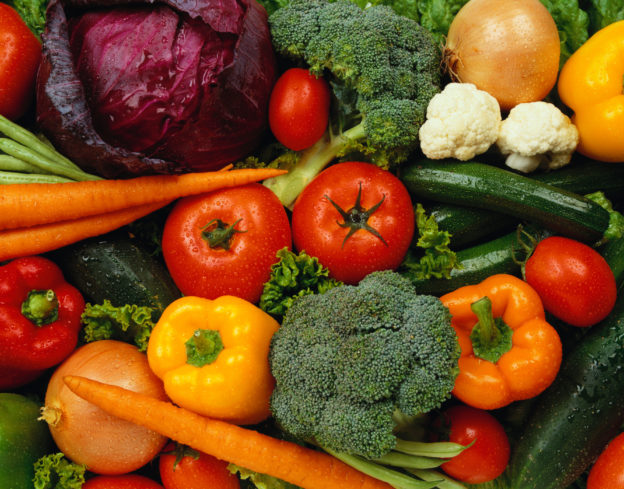
Got Food Sensitivities?
Food sensitivity may be an overlooked source of inflammation leading to fatigue, sleep disturbance, acne, mood disorders, autoimmune disorders, gastrointestinal complaints, and other chronic conditions.
The foods we love to eat can be the triggers of inflammation, making the cause of disease hard to identify. If you have a chronic condition, identifying the food(s) contributing to your chronic illness may help provide an answer you’ve been looking for. Additionally, identifying these foods early in life may also reduce the onset of chronic disease. Some diseases or medications cause disruption in the gastrointestinal lining, triggering an inflammatory process that precipitates the formation of food sensitivities, leading to more inflammation. Identifying triggering foods may reduce the need for further medications.
Dr. Rodgers utilizes two methods for identifying food sensitivities. Each has strengths and weaknesses.
Elimination-Challenge Diet
- Strengths: This method is low cost and usually provides some answers in a week. A laboratory test is not needed to tell you if a food is a problem or not. This is considered the gold standard for determining food sensitivities.
- Weakness: Changing one’s diet is not easy. It takes at least 6 weeks to determine which foods, if any, are causing an inflammatory response. Not all foods are eliminated and thus, some inflammatory triggers may be unidentified.
Immunoglobulin Testing
- Strengths: Numerous foods can be tested and evaluated with a simple blood draw. Depending on severity of disease, several different markers can be used. The Elimination-Challenge process can be used to verify results.
- Weakness. These tests can be expensive and not recognized by insurance companies. These tests are not valid for chronic steroid users (ie, for asthma or autoimmune conditions. etc.)
For many patients, identifying and removing food-based inflammation starts their healing process. It is always amazing to watch an inflammatory issue resolve with the removal of one or two foods from the diet.
A caveat. Identifying food sensitivities is what coined my motto for the challenges of lifestyle modification: Simple, Not Easy. It is a simple process to remove a food: Don’t buy it or eat it. However, It is not always an easy to let go of a beloved food. Regardless of how easy it is for each patient, great benefits await those who decide to take the plunge and figure it out.
Please contact Dr. Rodgers at Idaho Naturopathic Medicine if you want to determine if food sensitivities contribute to your inflammatory condition. Phone: 208-275-0007.
Read an article from Chris D. Meletis, N.D, a consultant to US Biotek, describing his experience using different types of IgG, IgG4, and IgA testing. Click HERE for article.

Berberine: A Natural Blood Sugar Manager
Diabetes is complicated and complicates other diseases. Sometimes, however, simple interventions can reduce those complications.
Berberine is a compound found in numerous plants, some of which may be growing in your back yard (Oregon Grape and Goldenseal). This natural substance has been found to support healthy blood sugar levels, HgA1c levels, triglycerides, healthy cholesterol levels, and blood pressure. These improvements were seen when used alone, but had better outcomes with combined with lifestyle modifications and/or oral glycemic lowering medications such as Metformin.
Berberine has also been shown to support liver health by reducing fatty deposits and reducing liver enzymes. Rat studies show improved kidney health.
Berberine has antimicrobial properties and has been used for bacterial, viral, and parasite infections. This anti-microbial action may help re-balance gastrointestinal bacteria resulting in reduced glucose absorption and increased short chain fatty acid production. It also has some anti-inflammatory properties. Side effects are few and may include gastrointestinal disturbance, such as diarrhea or constipation. It has been shown to be used safely with prescription diabetic medications. With these characteristics, it makes sense that Berberine is part of a diabetic supplement plan.
Dr. Rodgers provides each diabetic patient with an individualized plan to slowly and safely correct blood sugar levels. She regularly prescribes berberine in addition to diet changes, exercise, and reduced toxin exposure. Please call her office if you have questions or are interested in starting her program. Phone number: 208-275-0007.
References
Bang, P. Application of Berberine on Treating Type 2 Diabetes Mellitus. Int J Endocrinol. 2015; 2015: 905749.Published online 2015 Mar 11. doi: 10.1155/2015/905749
Lan, J. Meta-analysis of the Effect and Safety of Berberine in the Treatment of Type 2 Diabetes Mellitus, Hyperlipemia and Hypertension. J Ethnopharmacol. 2015 Feb 23;161:69-81. doi: 10.1016/j.jep.2014.09.049. Epub 2014 Dec 10.
Zhang H et al. Berberine lowers blood glucose in type 2 diabetes mellitus patients through increasing insulin receptor expression. Metabolism clinical and experimental. 209, Oct; 59(2): 285-292.
Kong, W et al. Berberine Reduces Insulin Resistance Through Protein Kinase C-dependent Up-Regulation of Insulin Receptor Expression. Metabolism. 2009 Jan;58(1):109-19.